Safeguard Your Residence: Skilled Roof Services for Every Need
In our rapid environment, roofing concerns can easily turn into major problems from trivial issues. Most residents remain unsure about when they should repair or replace their roofs. Learning about the various materials at hand and the benefits they provide can create a crucial distinction. As these decisions affect resilience and energy efficiency, examining expert solutions grows critical. What elements should you consider when undertaking a roof project? The responses may surprise you.
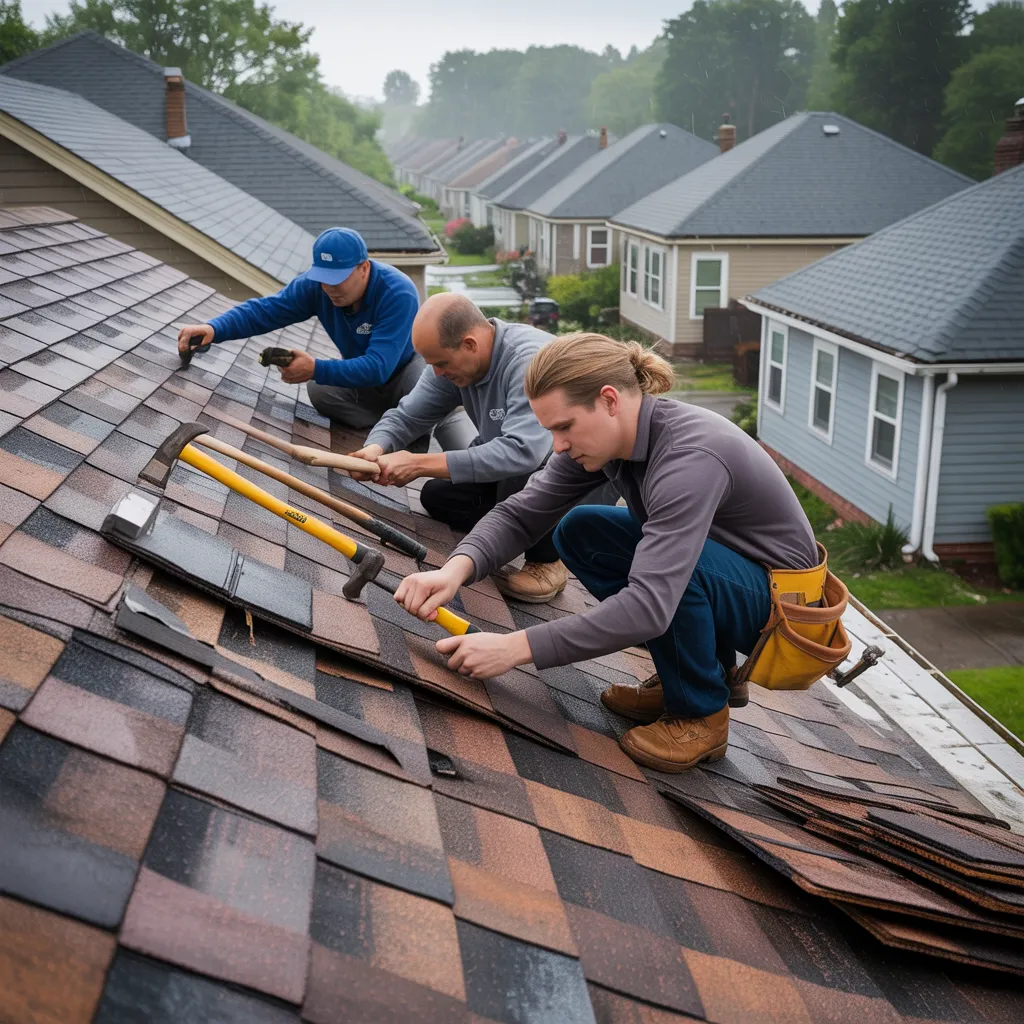
Detecting Ordinary Roofing Defects and Treatments
How can homeowners successfully identify typical roofing troubles before they escalate? Regular inspections are essential for finding concerns early. Residents should spot visible signs such as gone or damaged shingles, which can expose the hidden layers to moisture. Additionally, checking for granule loss in gutters can suggest roof deterioration. Water stains on ceilings or walls may signal leaks, and homeowners should inspect the attic for signs of moisture or mold.
Another vital point is looking at flashing around chimneys and vents, since weakening in these spots can cause notable leaks. Homeowners should also note sagging areas, which may indicate structural problems. By staying vigilant and carrying out routine checks, homeowners can address roofing issues promptly, potentially cutting down expensive repairs. In general, proactive identification of these common issues builds a healthier roof and enhances the life of the home’s structure.
When to Repair vs. Swap Out Your Roof
After recognizing typical roof issues, property owners must decide whether to repair or replace their roof. This choice often depends on the extent of damage and the roof's total age. Small leaks or isolated damage can typically be fixed with repairs, particularly when the roof is relatively new. However, if a roof is nearing the end of its life—usually 20 to 30 years for most materials—renewal may be the more economical option in the long run.
Homeowners should also consider the frequency of repairs. If persistent problems occur, it may suggest that a replacement is necessary to guarantee the home's structural soundness. Additionally, factors such as power savings and aesthetic appeal can influence the decision. Ultimately, speaking to a professional roofing contractor can offer clarity, helping homeowners reach an informed choice that matches their budget and long-term goals.
Understanding Different Roofing Materials for Your Home
When selecting roof options, homeowners encounter various options, each with unique features. Asphalt shingles provide cost-effectiveness and ease of installation, while metal roofing provides extended longevity and energy efficiency. Additionally, tile roofing is celebrated for its resilience and visual attractiveness, rendering it a popular choice in many regions.
Asphalt Shingles Details
Asphalt shingles are an increasingly chosen choice for homeowners seeking a balance between affordability and durability in roofing materials. These shingles commonly have a fiberglass base saturated with asphalt, offering resilience against a variety of weather conditions. Available in multiple colors and styles, asphalt shingles can enhance a home’s aesthetic appeal while providing reliable protection. They usually come in two types: three-tab and architectural shingles, the latter featuring more thickness and longevity. The installation process is straightforward, which makes them a preferred option among contractors. Additionally, asphalt shingles require minimal maintenance, contributing to their widespread use. Overall, they provide a practical solution for homeowners wanting to secure their shelter without overspending.
Metal Roof Strengths
Though homeowners often prioritize cost and aesthetics, the benefits of metal roofing extend far beyond these factors. Metal roofs are famous for their robustness, often lasting 40 to 70 years, greatly surpassing traditional materials. They are immune to severe weather conditions, including powerful gusts and heavy snow, which prolongs their longevity. Moreover, metal roofing is lightweight, diminishing structural demands on homes. Its ability to reflect heat can lead to decreased utility bills by keeping homes cooler in warmer climates. Additionally, metal roofing is environmentally friendly, often produced using recycled resources and fully recyclable at the end of its life cycle. With very low maintenance needs, metal roofs offer a practical, long-term investment for homeowners wanting consistency and efficiency.
Tile Roof Resilience
Tile roofing provides a distinct mix of durability and aesthetic attractiveness, making it a favored choice among homeowners. Known for its longevity, tile roofs can last more than 50 years with proper maintenance. They are very resistant to harsh weather conditions, such as high winds, heavy rain, and extreme temperatures. Moreover, tile materials such as clay and concrete are fire-resistant, giving an extra layer of safety.
The heaviness of tile roofing requires a strong foundation framework, but once placed, it demands little maintenance. It also contributes to thermal performance, bouncing back sunlight and lowering cooling costs. Overall, tile roofing stands out for its ability to combine resilience with aesthetic appeal, making it an outstanding choice for sustained home preservation.
Cost-Efficient and Environmentally Conscious Benefits of Energy-Saving Roofing
Energy-efficient roofing contributes not only a sustainable environment but also offers noteworthy cost savings for dwelling owners. By utilizing materials that throw back sunlight and reduce heat absorption, these roofs help copyright lower indoor temperatures, generating decreased energy consumption for heating and cooling. This lessening in energy use can manifest as lower utility bills, providing sustained financial benefits.
Moreover, many energy-saving roofing alternatives are engineered to be robust and easy-to-maintain, further reducing future repair or replacement expenses. Homeowners may also benefit from likely tax credits or discounts for adopting eco-friendly roofing systems.
Additionally, these roofing solutions can improve property value, drawing in eco-minded buyers. By going with energy-efficient roofing, homeowners commit to a product that not only protects their property but also aligns with a commitment to sustainability, making it a prudent financial and environmental choice.
Select the Perfect Roofing Specialist
Picking the ideal roofing contractor is necessary for ensuring a positive project. It is critical to verify credentials and background, as these components greatly influence the standard of work. Furthermore, evaluating a contractor's portfolio and testimonials can provide worthwhile perspectives into their trustworthiness and skill.
Authenticate Credentials And Background
A qualified roofing contractor can significantly impact the durability and standard of a roofing project. Therefore, verifying credentials and experience is essential for homeowners looking for reliable service. First, potential clients need to confirm that the contractor holds a license and insurance, as this protects them from liability in accidents. Furthermore, checking industry certifications may show a contractor's dedication to quality and continuing education. Knowledge of specific roofing materials and techniques is also important; a contractor with a proven record in similar projects is more apt to provide positive outcomes. Homeowners should review the contractor’s experience and specialties to ensure they choose a professional who can meet their unique roofing needs effectively.
Assess Your Collection Plus References
Scrutinizing a contractor's portfolio and references is vital in locating the right roofing specialist. A detailed portfolio illustrates earlier work, emphasizing the contractor's skill and quality. Homeowners should look for varied roofing options and substances that display adaptability and proficiency. Additionally, client recommendations give understanding of the contractor's trustworthiness, output quality, and service commitment. Getting in touch with former clients allows homeowners to evaluate contentment ratings and spot any potential issues. It is wise to ask detailed questions concerning project timelines, interaction methods, and ongoing help. By carefully assessing both the portfolio and references, homeowners can reach a better choice, guaranteeing their roofing undertaking is managed by a skilled and reliable professional.
Essential upkeep pointers to help your Roof stand the test of time
Although many property owners may overlook roof upkeep, regular upkeep is essential for prolonging its longevity. Routine inspections can identify possible problems early, such as damaged shingles or debris accumulation. Homeowners should aim to inspect their roofs at least twice a year, especially after extreme weather conditions. Removing leaves and branches and accumulated debris can prevent water accumulation, which may result in leaks and mold development.
Additionally, property owners should check gutters and downspouts, ensuring they are clear to allow proper drainage. Maintaining trees trimmed to prevent branches touching the roof helps reduce wear and tear. Addressing minor repairs promptly is vital; small leaks can quickly escalate into major problems if ignored. Finally, using a protective coating can enhance durability against harsh weather conditions. By adopting these simple maintenance tips, homeowners can greatly extend the life of their roofs and protect their investment.
Financial Planning for Your Roof Project
Effective cost management for a roofing project requires careful organization and consideration of various factors. Homeowners should commence by reviewing the scope of the project, including materials, labor, and any necessary permits. It is crucial to research different roofing materials, as costs can range considerably based on quality and longevity. For instance, asphalt shingles may be less expensive initially, but metal or tile options could provide better long-term value.
Furthermore, obtaining multiple quotes from trusted professionals helps ensure competitive pricing. Financial planning should also account for unforeseen damage that may occur during the job, so reserving a emergency reserve is advisable. Finally, homeowners should explore financing options if the budget is tight, helping to manage costs without compromising quality. By following this approach, homeowners can develop a begin here practical financial plan that meets their roofing needs while protecting their fiscal health.
Commonly Asked Questions
How much time Does an Common Roof Last Before Needing Replacement?
A regular roof persists between 20 to 50 years, influenced by materials and maintenance. Considerations such as environmental factors, quality of the installation, and exposure to elements significantly influence its longevity and overall performance over time.
Which Protection Plans Exist for Roofing Components and Placement?
Various guarantees are offered for roofing materials and installation, including manufacturer warranties, which typically cover defects, and labor warranties, which guard against installation errors. Duration and terms differ by product and contractor.
Do specialized roofing solutions exist for extreme weather conditions?
Advanced roof systems have been designed for extreme weather conditions, including impact-resistant shingles, reinforced metal roofs, and advanced waterproof membranes. These materials increase durability and protection against severe winds, heavy rains, and hail damage.
What Methods Help Determine a Quality Roofing Contractor?
To discover a reliable roofing contractor, one should verify proper licensing, read customer reviews, validate insurance coverage, request references, and compare multiple quotes to guarantee quality and professionalism in their services.
What Measures Ought to I Pursue During a Roofing Emergency?
When facing a roofing emergency, he should prioritize safety by avoiding the area, assessing damage from afar, and contacting a professional contractor immediately. Rapid response can stop additional deterioration and ensure proper repairs are made.